I had launched into my 3-week trip to Montana with exceedingly high expectations for the backcountry riding around Big Sky… but those expectations just weren’t met. Maybe I tried to ride the wrong trails, but that’s unlikely—I surveyed several expert locals, expert travelers, and did my normal deep-dive into a plethora of mapping resources. A more likely explanation is that I’m just not as badass as the average Montana mountain biker.
But as much as my expectations for backcountry riding were not met in Big Sky, they were greatly exceeded in Bozeman!
Backstory
The reason I was less stoked on riding in Bozeman is largely to do with the complicated history of mountain bike trail access in the region. While I can by no means do the past 15-20 years of trail advocacy justice in this meager column, here’s my understanding of the matter.
When I graduated from high school in 2007, I originally moved to Bigfork, Montana, to attend a small college for a year (but mainly, if I’m being honest, to ski powder in nearby Whitefish). This move catapulted me into the sport of mountain biking by forcing me to upgrade from my steel, rigid Giant Iguana to my first full-suspension bike. While I was loving mountain life in Northwest Montana, based on everything I had read in ski and bike magazines, Bozeman was my dream town. My goal was to move to Bozeman to ski and ride to my heart’s content.
That all changed when one of the best mountain bike trails in the nation, the Gallatin Crest Trail, was closed to mountain bikes.
Here’s the short version of the story: the US Forest Service created a proposed Wilderness area that included the Gallatin Crest and many other mountain bike trails. However, it takes an act of Congress to actually designate a new Wilderness area, so it usually takes many years to get a Wilderness area created. But when it is created, such a designation bans mountain bike use due to a misinterpretation by the US Forest Service of one line in the original Wilderness Act that banned “mechanized” travel. The intention was to ban “motorized” travel, not human-power bicyclists. The Wilderness Act was written before mountain bikes even existed, and the original writers have gone on the record to say that they never intended to ban mountain bikes. Nevertheless, the great bureaucrats of the USFS have continued to stoke their vendetta against mountain bikers.
(Note: the topic of mountain bikes in Wilderness is itself a lengthy discussion that I can’t fully address here. For a full treatment of the topic, begin by reading this article.)
While a Wilderness designation would ban bikes, the USFS near Bozeman decided to take it one step further by banning bikes not only from designated Wilderness areas, but in proposed Wilderness areas as well. Consequently, mountain bikes were banned from one of the best trails in the nation (as well as many others) without public comment or input. Unfortunately, this precedent has also begun to spread across Montana and the rest of the nation.
Lawsuits from several different parties followed, legal fights ensued spanning many years, and the final word has yet to be written on bikes in proposed Wilderness areas. Mountain bike advocates remain hopeful that the decision can be reversed.
Throughout this entire process, the Southwest Montana Mountain Bike Association (SWMMBA) has fought hard for mountain bike access to both the trails that were illegally closed by the USFS, to retain access to currently open trails (which is tenuous in some areas), and to even build new and better mountain bike trails throughout the region.
Present Day
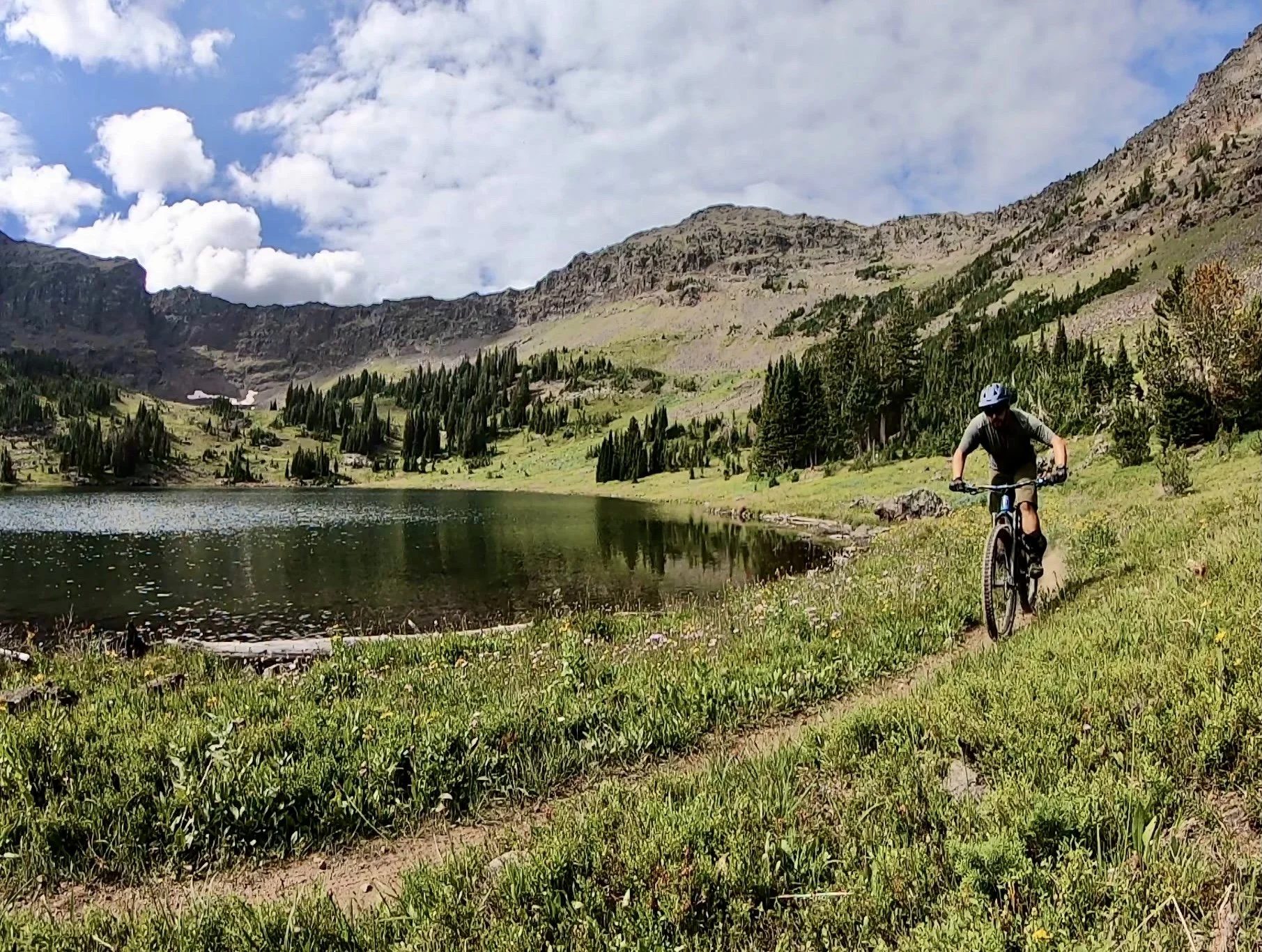
Thanks to SWMMBA’s tireless efforts over the decades, and even despite the embattled mountain bike trails in the area, Bozeman has remained a world-class mountain bike destination. I was worried that the remaining trails might not have the true mettle required to make Bozeman a top-tier riding destination, but I was proven wrong.
I divided my stay in Bozeman into two different segments: one week for the Northern Gallatins, located just south of downtown, and one week for the Bridgers, located north of the city.
Initially, I didn’t expect much from the Gallatins… for some reason, I thought the proximity to the city would make them feel like an overcrowded suburban trail system, a la the Denver Front Range. That is, until we began driving up the narrow Hyalite Canyon Road, winding through a beautiful pine forest along a rushing mountain stream, climbing steadily into a gorgeous mountain range.
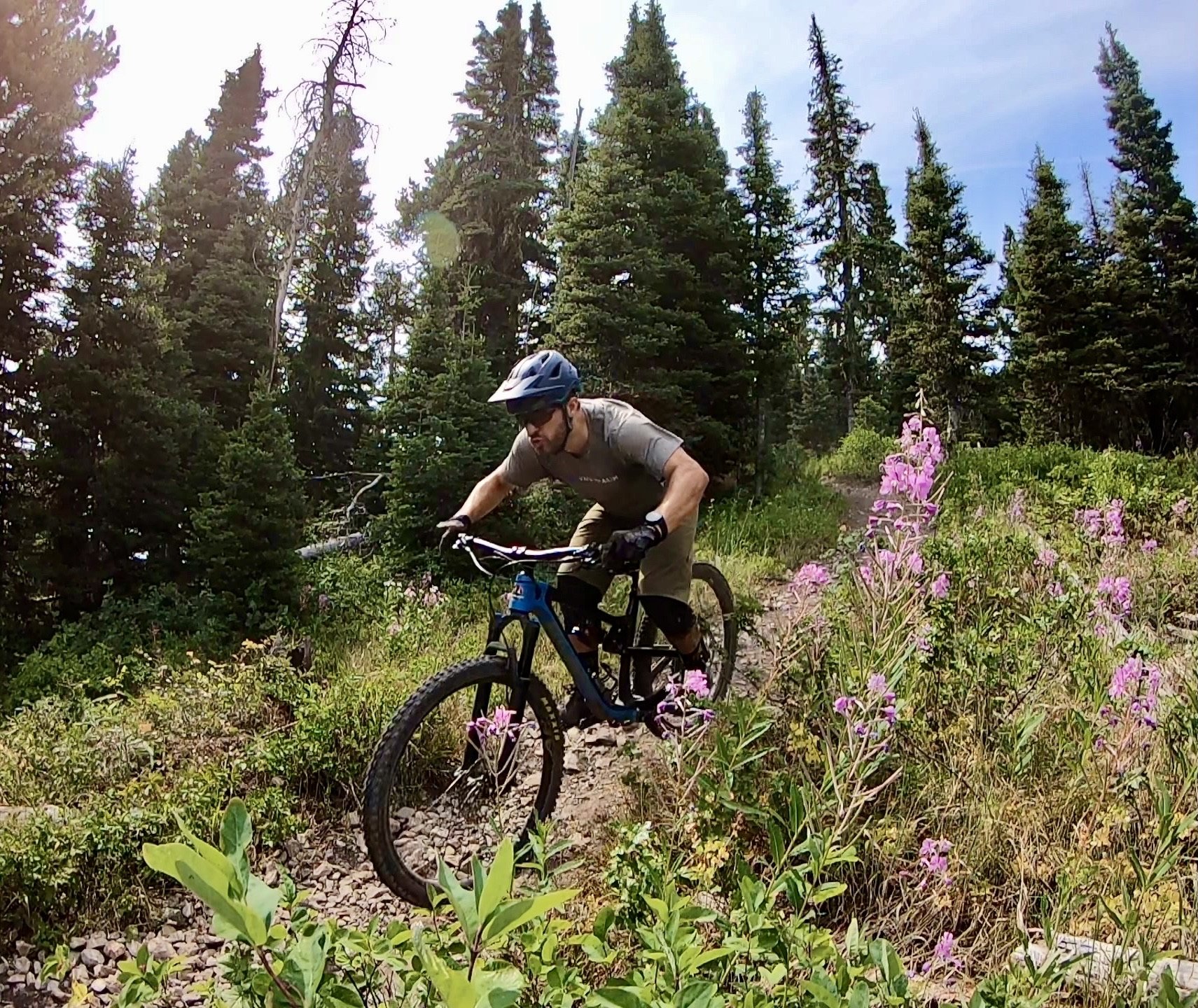
Hyalite Canyon proved to have the goods! The camping opportunities abound (although the crowds do as well), the trail network spiders out in all directions, and the reservoir at the top of the canyon provided the perfect spot to park the van and enjoy an afternoon swimming and SUPping, with stunning views of rocky peaks in the background.
When living in a van, finding a good spot to hang out, relax, and enjoy nature at a more leisurely pace is at least as important as finding a trailhead that leads to an epic adventure. Honestly, you’re guaranteed to spend more time just sitting in your lawn chair enjoying nature than you are spending time out on a mountain bike ride. Even if you bag a 6-hour mountain bike ride and you sleep for 8 hours a night, that still leaves you with 10 hours of chill time to do something with. And of course, most mortals can’t bag a 6-8 hour mountain bike ride every single day.
Hyalite reservoir provided the perfect day-use spot for plenty of afternoon relaxation.
Two of the top rides in the region, Emerald Lake and Hyalite Lake, begin just above the reservoir. And dozens of other routes connect to or through the intricate trail network here. Even more fantastic rides are accessible from additional trailheads and drainages along the Gallatin front. Most notably, Leverich Canyon offers the only directional downhill mountain bike trail in the region, which has seen plenty of use and abuse as a result. And Chestnut Mountain provides superb views and a ripping descent with a reasonable amount of effort expended. And that’s just le creme de la creme—South Cottonwood, Bear Lakes, Moser… the area is rich with singletrack.
It was tough to pull ourselves away and head up to the Bridgers, but on to the Bridgers we had to go. In the Bridgers, we were awed by the incredible mountain peaks—even more rugged than the Gallatins! Singletrack stretched for miles, the camping was superb, and the crowds were notably much lighter than at the popular Hyalite area. Thanks to some local tips, we discovered a small, free campground at Fairy Lake with minimal crowds, but with some of the most majestic mountain views we’d enjoyed from a campsite thus far!
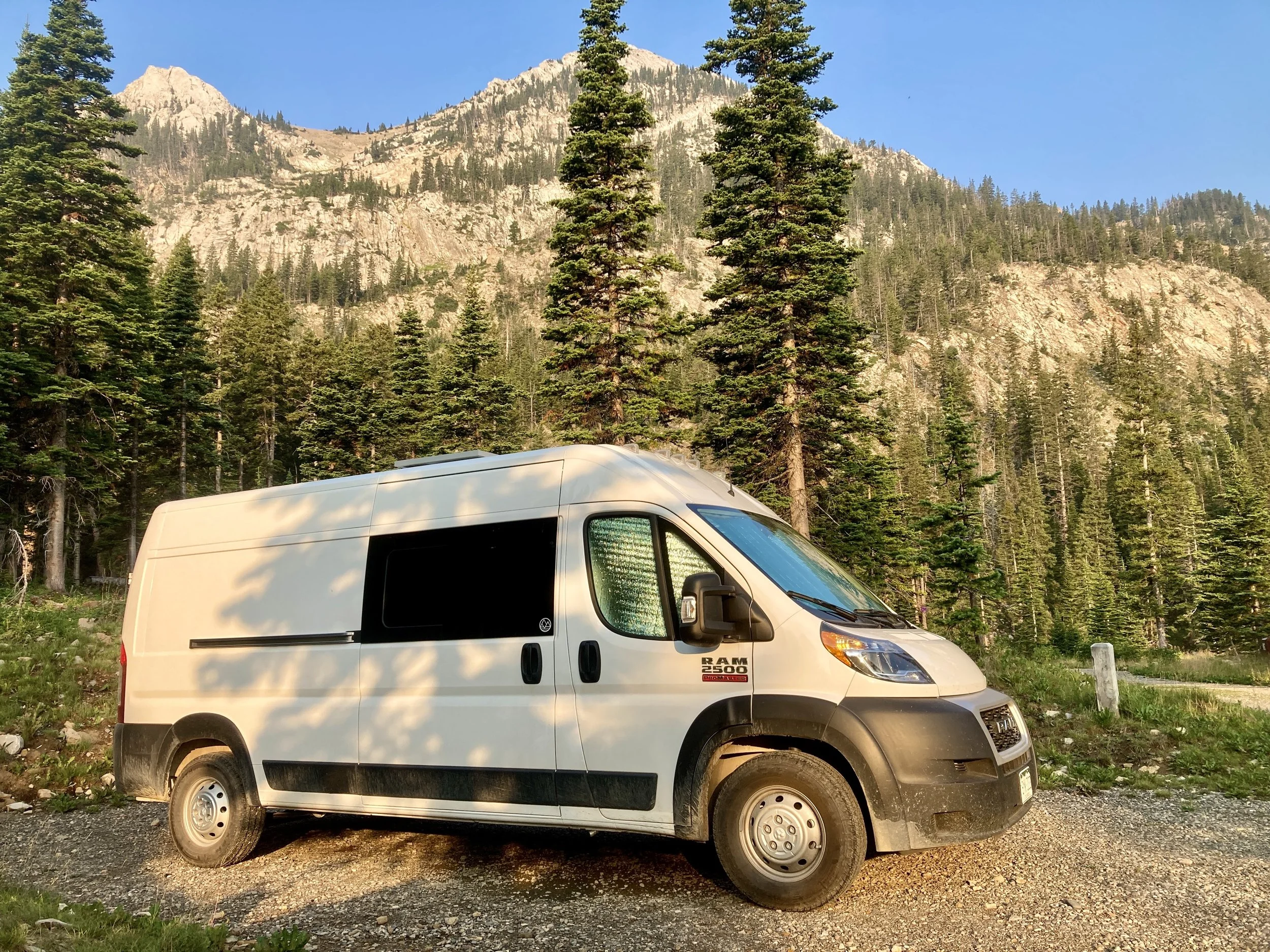
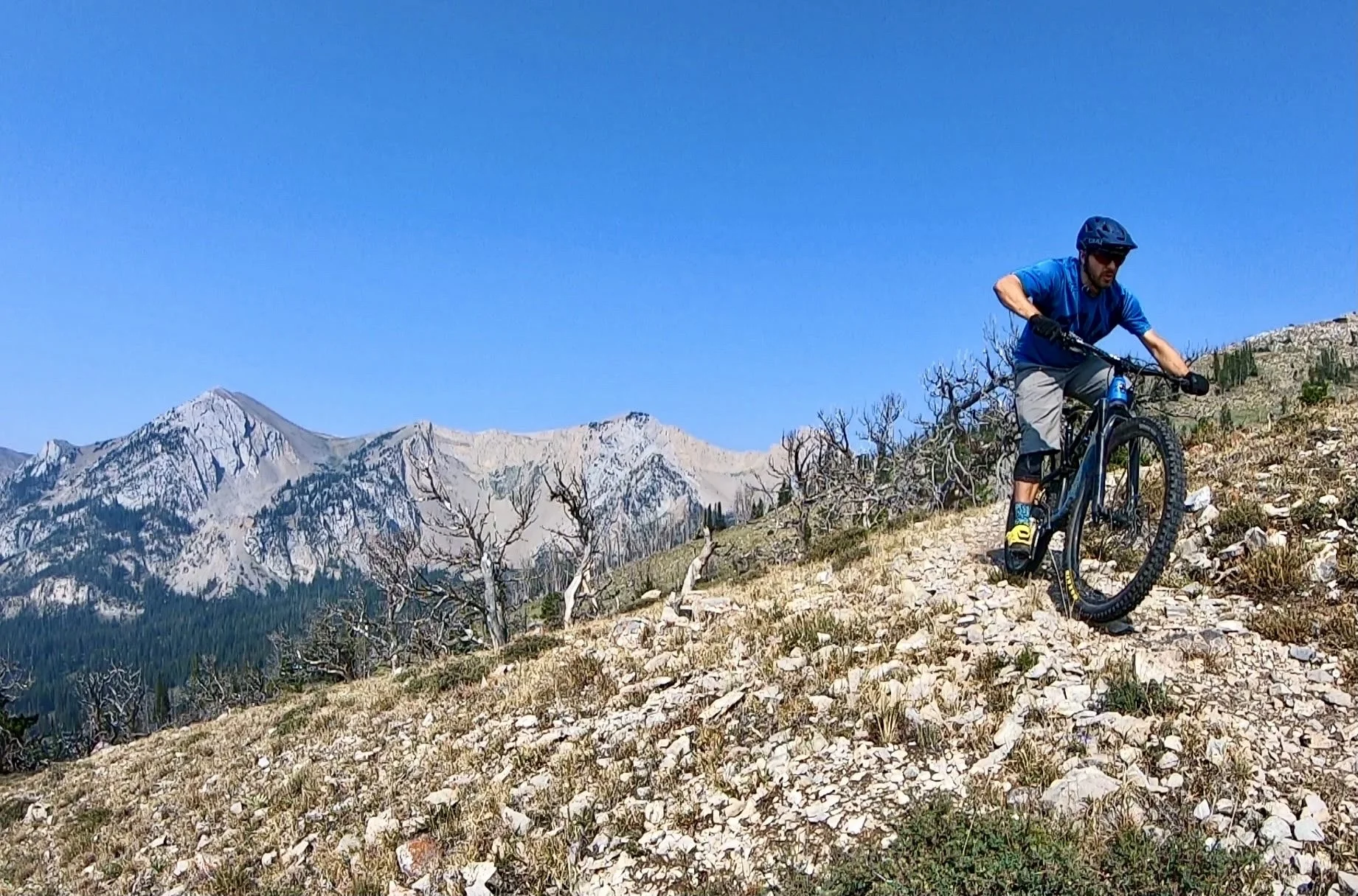
There was even some riding to be had directly from camp, including one of the best stretches of alpine singletrack I had pedaled since Lionhead. The sweetness was short-lived, but it was sublime while it lasted.
To be fair, I can see why Hyalite is so much more popular of a destination than the Bridgers. The backcountry riding is objectively some of the best in Montana, and can rank with some of the best rides in the nation. The access is easy, the camping is abundant, and the reservoir is downright stunning. In contrast, getting to Fairy Lake requires a long drive from downtown Bozeman, culminating in at least a half-hour grind up a rough dirt road. While the views are stunning, the singletrack from the lake is indeed limited.
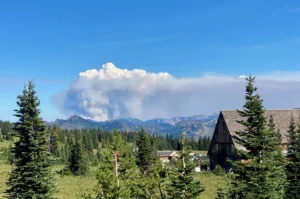
All told, Bozeman truly exceeded our expectations! Now if I could just go back without the smoke…